But for the song of sparrows, the hum of insects, and the breeze through the trees—the site is silent. With the late afternoon sun cascading over green fields, the place feels almost serene. But the stories of the gruesome scenes—of the bodies that remained for months after—reign over the place like ghosts that cannot leave. Here on September 17, 1862, twenty three thousand men perished—violent, untimely deaths—in the Civil War battle of Antietam.

Today, the fields are covered in small flowers, delicate white blooms that blanket the grounds. I’m not sure the name of the flowers, but I recognize them immediately. They grew all over the fields I played in as a child during school recess. We would pluck handfuls of them and string them together to make necklaces, crowns, and garlands; we would adorn ourselves with them, marching around regally, crowning one another Kings and Queens of the schoolyard. How many times had I tried to preserve the flower garlands, wrapping them in cool paper towels, only to find them decaying—wilted, brown, sour—before the day was done?
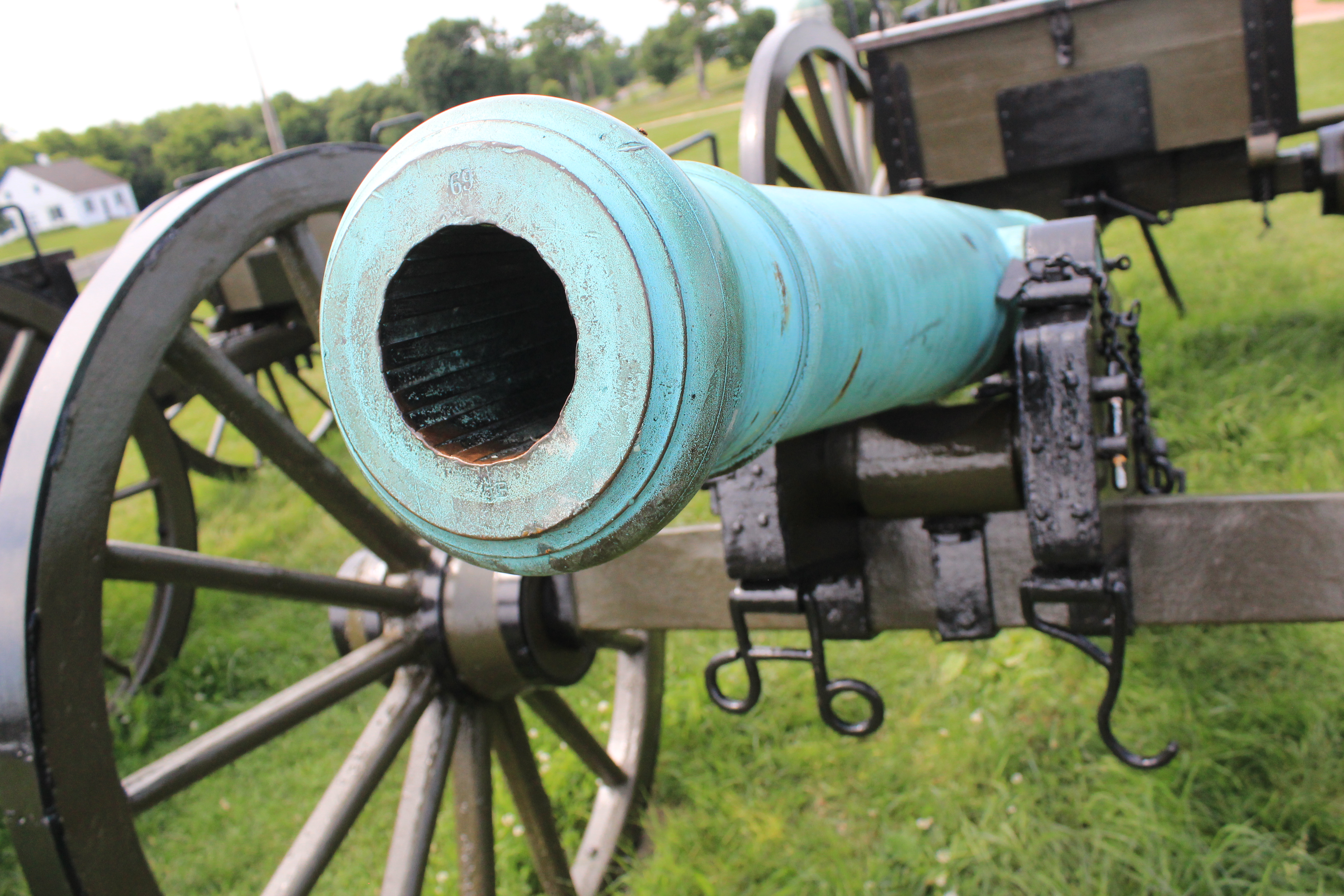
The year was 1861, and war was on everyone’s lips. Boys donned the apparel of men and went off to fight their noble causes, ardent for glory.

On the morning of September 17, 1862, the one-day battle of Antietam began just before sunrise. Before the day was over, the cornfield would become a cauldron of gunfire and chaos, the bodies of the slain piling up in the ranks where they had marched; along Sunken Road, the outnumbered Confederate troops would defend their post against Union and French soldiers, but 5,500 lives would be extinguished in less than four hours, and “Bloody Lane” would be born.

At Burnside’s Bridge, Antietam Creek would run red with blood of Americans—Union and Confederate—in ghastly Civil War. By nightfall, those who remained began the dismal task of tending to their wounded and gathering their dead, drawing to a close the single bloodiest day in American history.
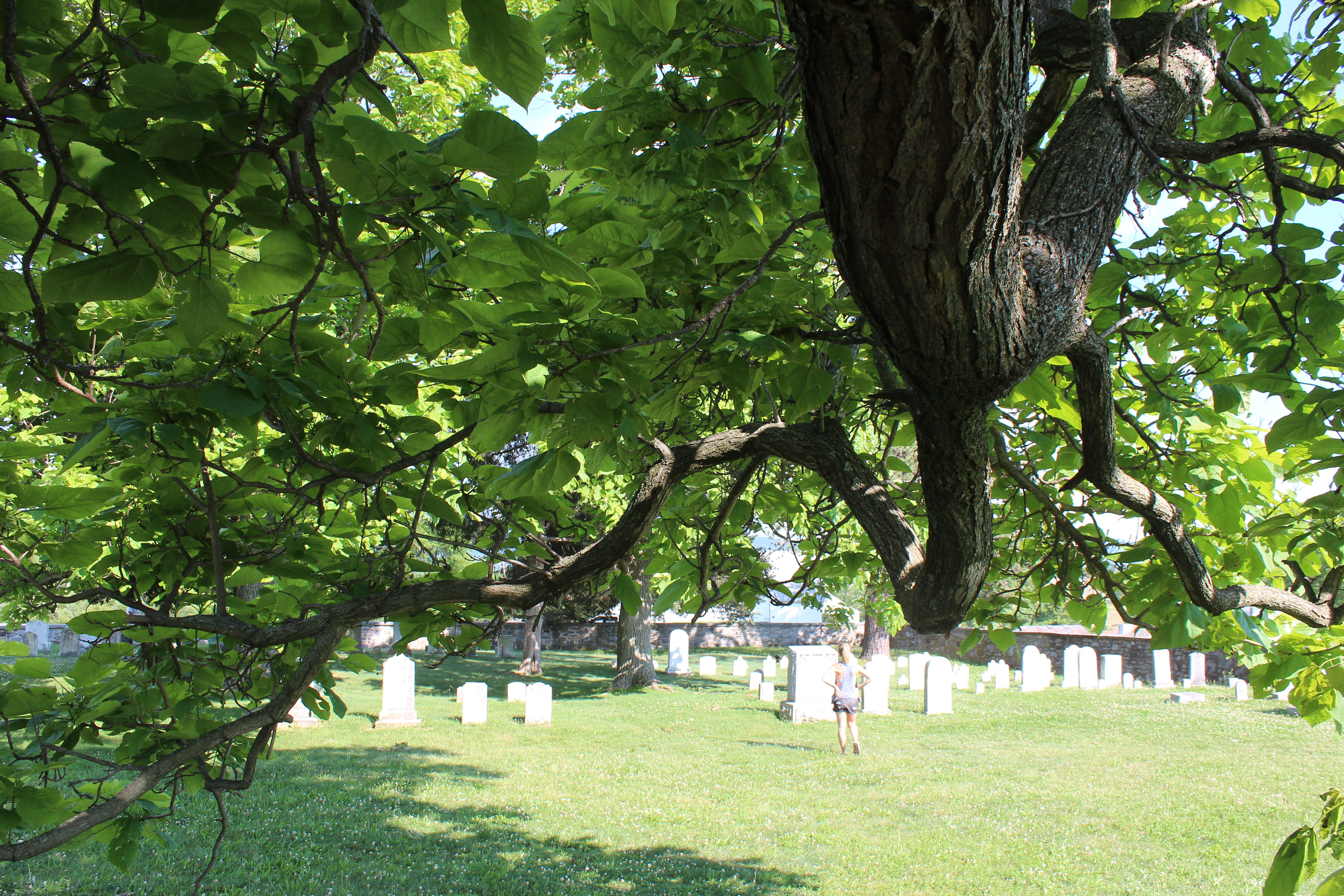
One single day: how delicate the innocence of youth, that it can be destroyed so quickly.
I leave the bridge to meander down a path along the creek that today runs clear and pristine. The air is warm and still. Green moss creeps up the trunks of trees that offer up their shade along the water’s edge. Fat black ants march along its banks.
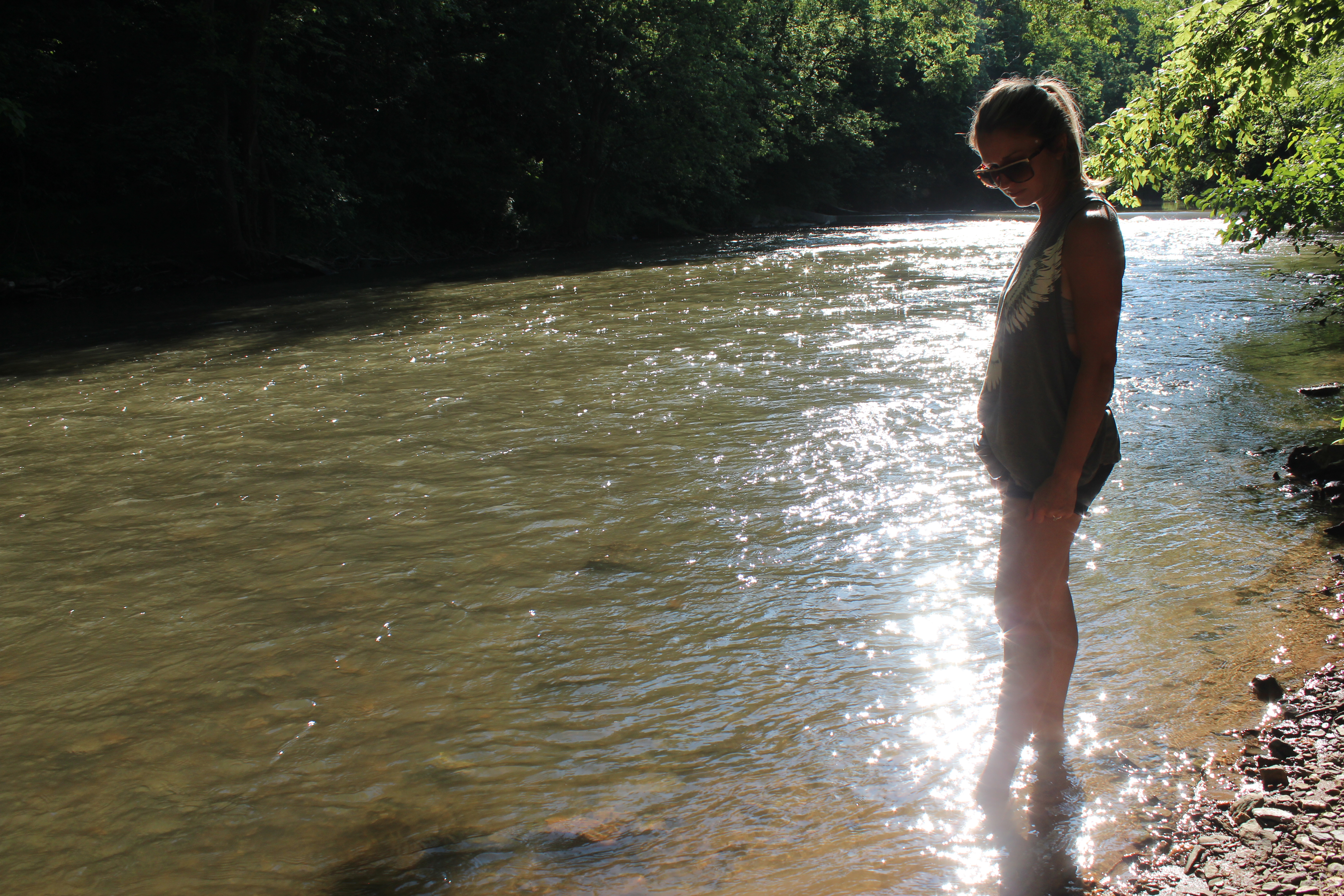
I close my eyes, and the place that witnessed so much death feels very much alive. When I step into the creek, the water is cool and welcoming to my sunburned skin. I slip beneath the surface and the water whispers, as it rushes by.
 Grassroots America